
Rethinking How Marketing Works
AI is creating an opportunity to rethink how marketing works,
not simply make existing work faster.
Marketing organizations are being asked to move faster, deliver more relevant customer experiences and demonstrate greater impact, often while budgets and resources are under increasing pressure.
At the same time, the systems behind the work have become more complex:
more technology, more data, more specialized capabilities and more
dependencies across teams.
AI creates an opportunity to change that equation. But the real opportunity isn’t simply adding AI to the way we work today. It’s stepping back, looking at the work end to end and asking what should be simplified, eliminated, automated or fundamentally reimagined.
The opportunity isn’t just AI adoption. It’s transformation.

Start With The Process
With AI moving fast, there’s pressure to find
use cases and put new tools to work. But adding technology to a broken process doesn’t fix the process.
Where does it slow down? Where are there too many handoffs? Where is ownership unclear? What are teams doing twice? And what work shouldn’t exist at all?
Then decide what to simplify, eliminate, automate or completely rethink.
The goal isn’t to automate everything. It’s to create a better way of working.
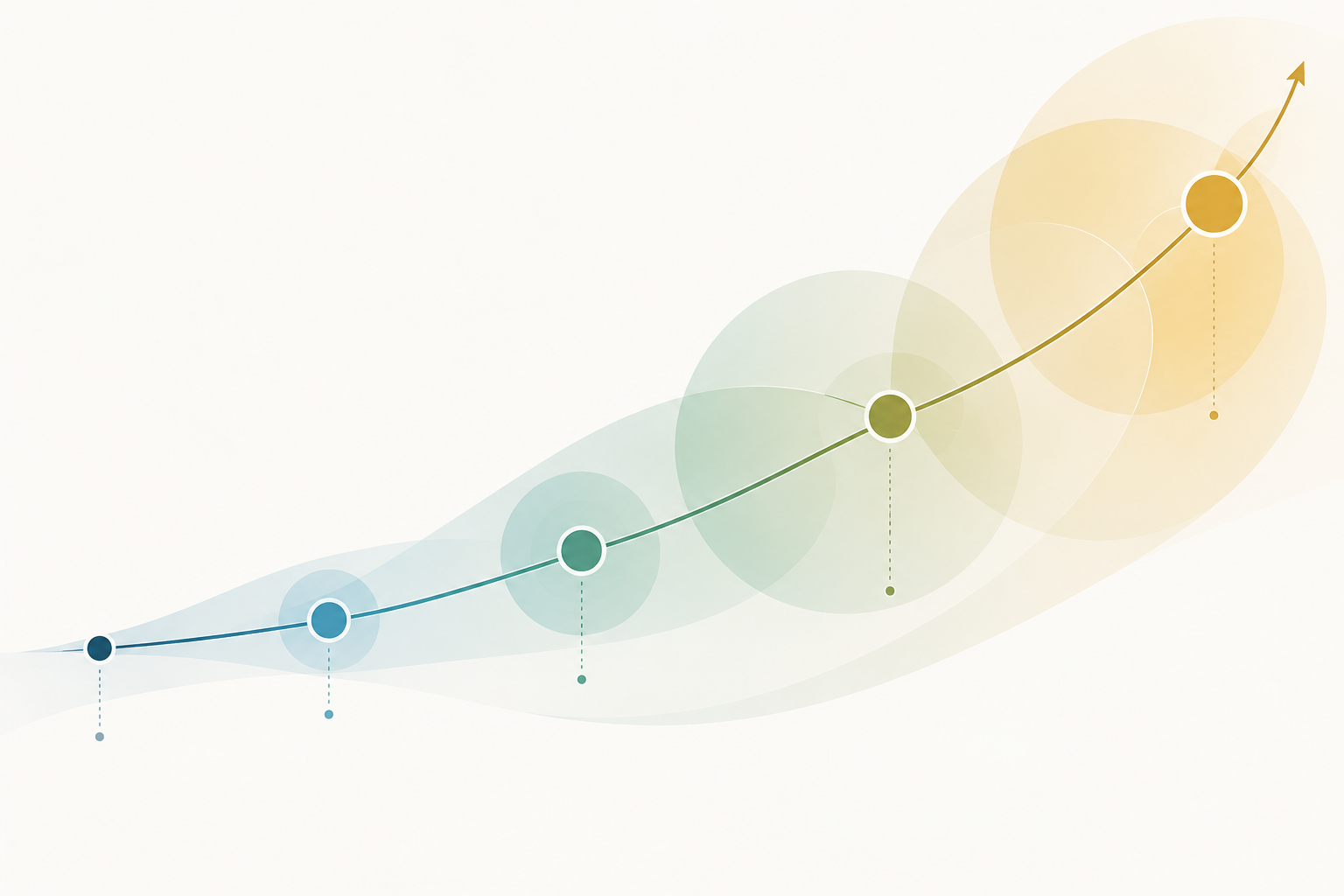
Transformation Happens in Phases

Think End to End
Transformation Can’t Happen in Silos
Marketing work crosses teams, functions, technology and partners. Improving one part of the process can simply move the bottleneck somewhere else.
The opportunity is to look across the full flow of work — how it starts, where decisions happen, how work moves between teams and where it gets stuck — and optimize for the outcome, not the organizational structure.
AI changes what’s possible.
The hard part isn’t getting teams to try AI. It’s helping them understand where to focus and what good looks like.
Without clear priorities, it’s easy to end up with lots of experiments but very little change in how the work actually gets done. Teams need a path: set the outcomes we’re trying to change, test against real work, learn quickly and scale what proves valuable.

The work is changing.
We have to prepare people for it.
Some roles will change. New roles will emerge. And as we rethink how work gets done, we’ll uncover skills and capabilities we don’t even know we need yet.
That means being clear about what’s coming, creating space to learn and experiment and helping people build new skills along the way.
Giving people the runway to adapt, grow and find their place in what comes next isn’t separate from transformation. It’s part of leading through it.